

Cupping Therapy Session Gallery
$$MultiPurposeText$$
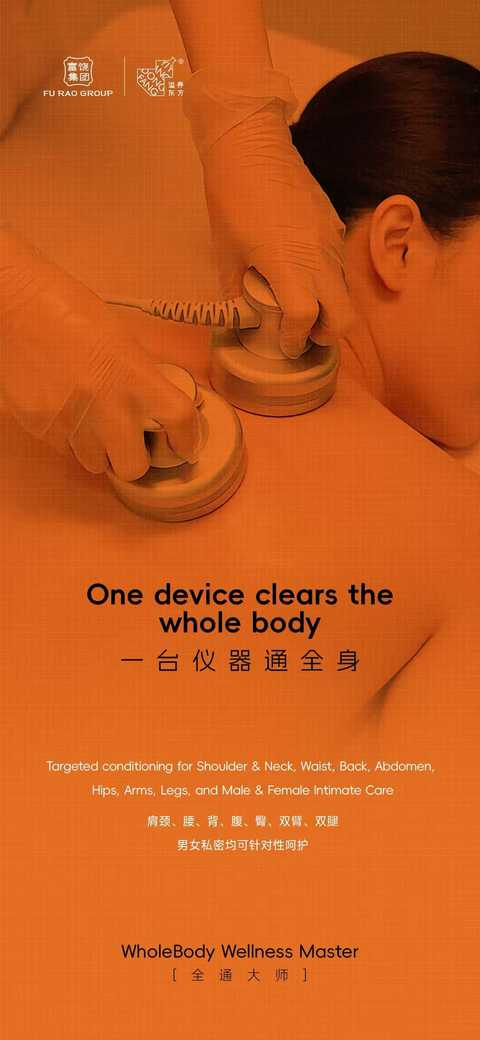
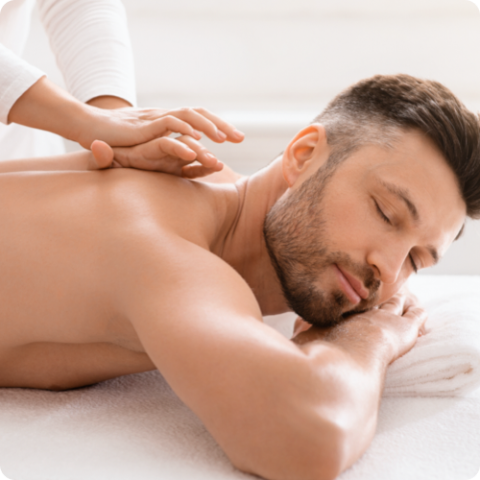
See examples of our Cupping Therapy Session work and results.









What Our Clients Say
$$MultiPurposeText$$
Read testimonials from our satisfied customers

⭐⭐⭐⭐⭐ Amy is a Gifted Therapist Who Truly Lives Up to the Name “Kindness Massage”
As a di...more

The face mask and foot scrub are such amazing additions! Such a great massage!

We did a couples massage and it was amazing. I even found places I was sore that I didn’t ...more

Amy was cheerful and accommodating, providing extra time and focus on my most-needed areas...more

Amazing relaxing massage with hot stones. Thank you will be back!

Had an amazing couples massage here! Added the hot stones and it was worth it. Would recom...more

Frequently Asked Questions
Get answers to common questions about Cupping Therapy Session.
You'll lie comfortably while cups are applied to clean skin to create gentle suction. Sessions may include stationary or gliding cups and often combine with massage. Expect warmth, possible mild redness, and a relaxing therapeutic sensation that lasts afterward.
Mild circular marks or light bruising can appear where cups were placed; they are a normal response of increased blood flow. Marks typically fade within several days to two weeks and are not usually painful.
Most sessions run between 30 and 60 minutes, depending on goals and whether cupping is combined with other massage techniques. Your therapist will assess needs during consultation and recommend the appropriate session length.
Cupping is safe for many clients but may be contraindicated with bleeding disorders, active skin infections, recent surgery, or while taking blood thinners. Disclose medical history and medications so your therapist can adapt or recommend alternatives.
Yes — cupping often complements Swedish, deep tissue, and sports massage. Therapists integrate cups to target stubborn tension or follow manual work for deeper release, tailoring techniques to your comfort and therapeutic goals.
One session can provide immediate relief, but most clients benefit from a series of three to six treatments for lasting change. Your therapist will create a personalized plan based on condition severity, response, and maintenance goals.
Read more about Cupping Therapy Session
$$MultiPurposeText$$
Explore our latest insights and guides on Cupping Therapy Session.
